 Toolvia
Porsche VIN decoder
Porsche keeps its manufacturer codes simple. WP0 is used for the sports cars and sedans, and WP1 for the SUVs. The rest of the VIN tells you the model, body, year and the plant that built it.
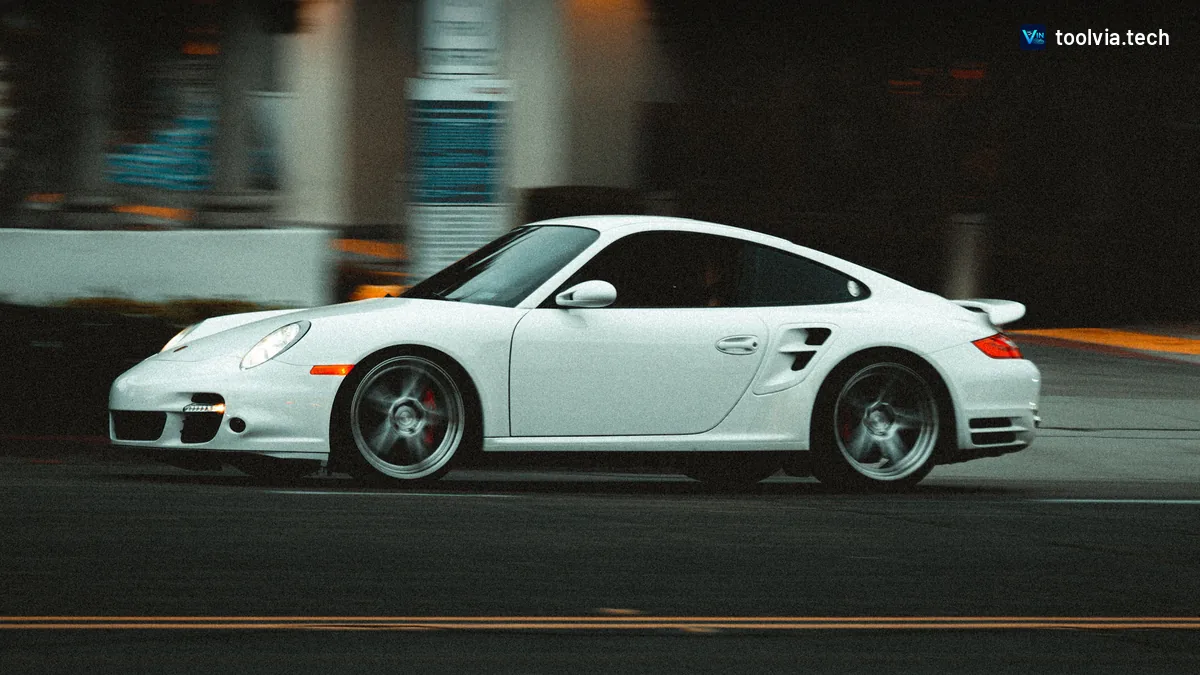
Enter a Porsche VIN to see the decoded details, recalls and owner complaints. If you’re shopping for a used 911 or Cayenne, it takes about ten seconds and can save you from buying a car that isn’t what the listing says.
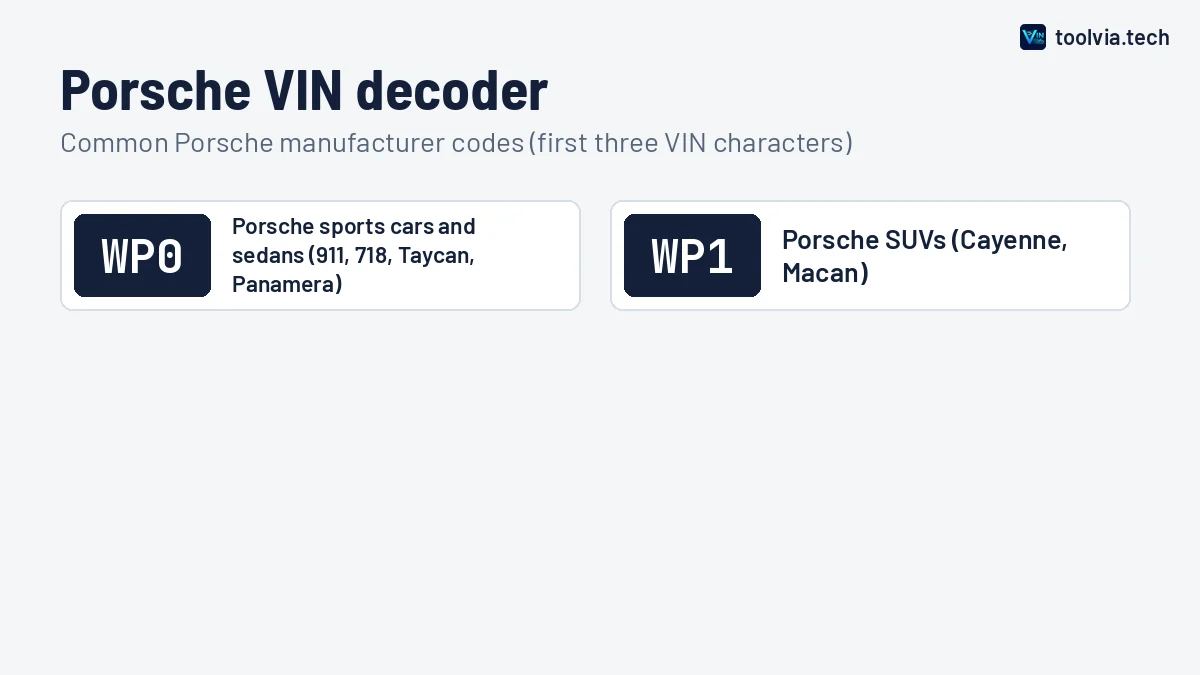
Porsche manufacturer codes (WMI)
The first three characters of the VIN are the World Manufacturer Identifier. These are the ones you’re most likely to see on vehicles sold in the United States:
| VIN starts with | Meaning |
|---|---|
WP0 | Porsche sports cars and sedans (911, 718, Taycan, Panamera) |
WP1 | Porsche SUVs (Cayenne, Macan) |
Not sure what the rest of the characters mean? Our guide to what each digit in a VIN means walks through all 17, and the VIN year chart shows how to read the model year from the 10th character.
How to read a Porsche VIN
Confirm the exact model first
Porsche sells several versions of the same car, such as Carrera, Carrera S, GTS and Turbo, and they can look alike in photos. Decoding the VIN shows the model, body and engine Porsche reported to NHTSA, which is the first thing to confirm before you look at options or price.
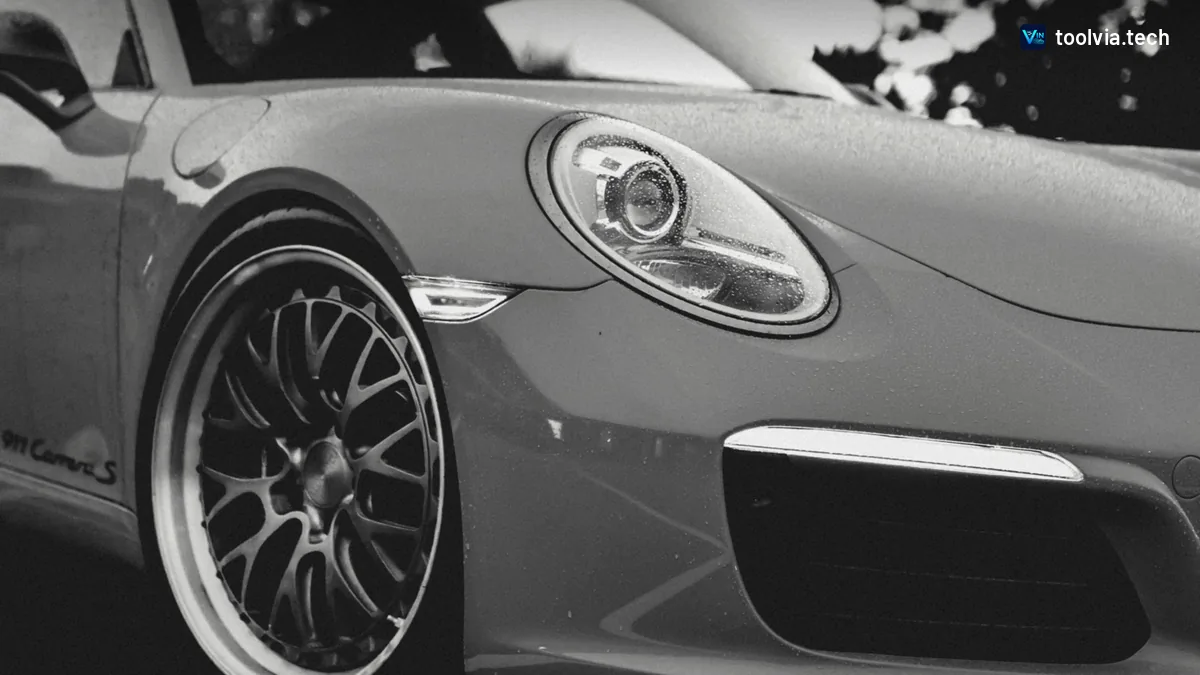
Options and the build sheet
Porsche buyers often care about the original options, from paint to sports exhaust. Those aren’t in public VIN data. A Porsche Centre can produce a build list from the VIN, and some owners also order a Certificate of Authenticity from Porsche.
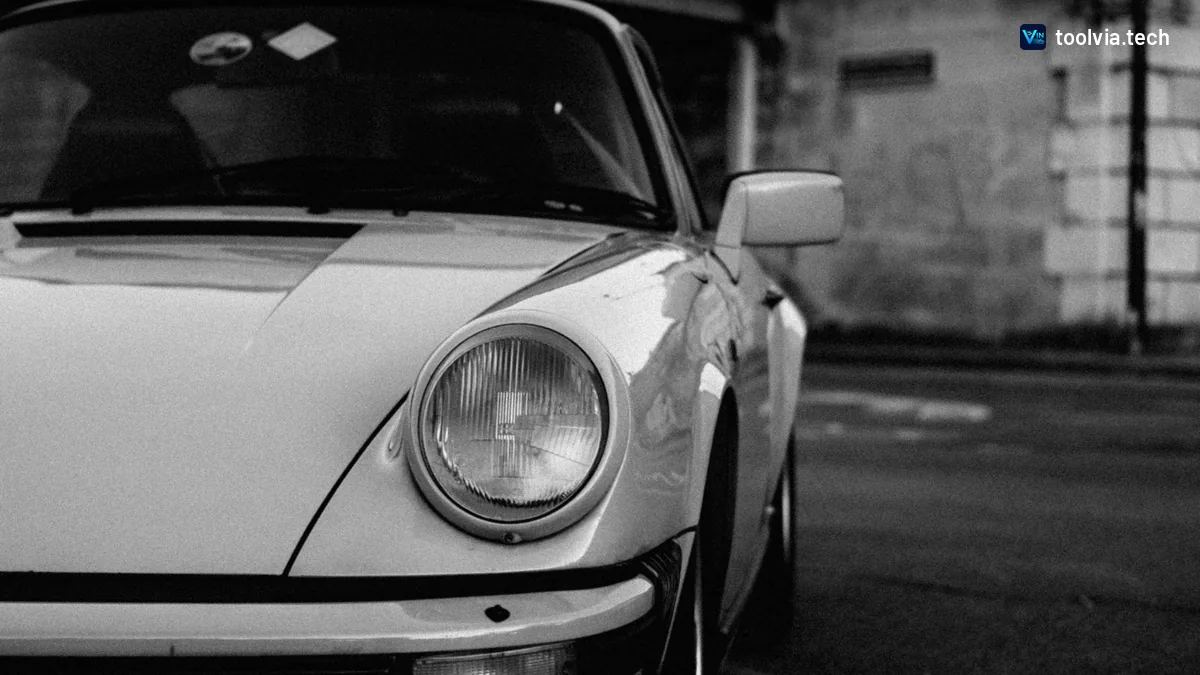
Classic Porsches are different
Cars built before 1981 use shorter chassis numbers rather than the standard 17-character VIN, so they won’t decode here.
Before you buy a used Porsche: what to check with the VIN
Once you’ve decoded the VIN, these are the Porsche-specific things worth comparing against the listing.
PDK or manual?
The Transmission row shows the gearbox. On many Porsche models a manual is rarer and can change the value significantly.
Confirm the variant
Make sure the decoded model and engine match the badge. Carrera S and GTS badges are easy to add to a base car.
Ask for the option list
Porsche options can add a lot to a car’s value. A Porsche Centre can produce the original option list from the VIN, and it’s worth asking for on any car you’re serious about.
How to get a Porsche build sheet
A lot of people who decode a Porsche VIN are really after one thing: the original options. Paint, interior, wheels, Sport Chrono, a manual gearbox, carbon seats. Those options can change a Porsche’s value by thousands, and they aren’t part of the public VIN record. Here are the ways to get them, from quickest to most official.
1. Look for the option sticker on the car
Many Porsches carry a vehicle data label that lists the factory option codes. Look in the maintenance booklet that came with the car, and on many models in the front luggage compartment. If the codes are there, a search for each code usually tells you what it means.
2. Ask a Porsche dealer
A Porsche Centre can look up the car’s original equipment from the VIN. Many will print the option list if you ask, especially if you’re a customer or about to buy a car. It’s worth asking before you agree a price.
3. Order a Certificate of Authenticity
Porsche offers a Certificate of Authenticity for many of its cars, for a fee. It confirms the original specification, such as engine, gearbox, paint and options, straight from the factory records. For a valuable or classic car, it’s the strongest proof you can get, and buyers often expect one.
4. Ask the seller for the window sticker
Cars sold new in the US had a window sticker listing the options and the original price. Many owners keep it. If they don’t, a dealer may be able to provide a copy.
Spec check before you buy: decode the VIN here first to confirm the model, engine and year. Then compare the option list from the sticker, dealer or certificate with what the seller advertises. If an ad says “Sport Chrono, PDK, Carrera S” and the paperwork says otherwise, you’ll know before you travel.
European Porsche VINs and the ZZZ code
Porsches built for Europe and some other markets often have ZZZ in positions 4 to 6 of the VIN, followed by digits for the model type. That’s normal. These VINs don’t use the North American check digit, so a check-digit warning on a European car isn’t a red flag on its own. US-market cars use letters and numbers in those positions instead, and do use a check digit.
Classic Porsche chassis numbers
Porsches built before the 1981 model year don’t have a 17-character VIN. They use shorter chassis numbers, and Porsche changed the format several times over the years. On many cars from the late 1960s and 1970s, the first digits identify the model type and model year, and the rest is the production number.
Because the formats vary so much, a modern VIN decoder can’t read them. For a classic, the best sources are a Porsche Certificate of Authenticity, a specialist who knows the model, or a Porsche club registry. Always check that the chassis number on the car matches the title, and be wary of any stamping that looks altered.
Where to find the VIN on a Porsche
Check the dashboard through the windshield on the driver’s side first, then the label on the driver’s door jamb. The VIN is also printed on the title, registration and insurance card. See all the places to look.
Frequently asked questions
What does WP0 mean on a Porsche VIN?
WP0 is Porsche’s manufacturer code for its cars, including the 911, 718 Boxster and Cayman, Panamera and Taycan. SUVs use WP1.
Can I see the original options on a Porsche from the VIN?
Not for free from public data. A Porsche dealer can pull the option list using the VIN.
Does this work for a classic 911?
Only for 1981 and newer cars with a 17-character VIN. Earlier cars use a different numbering system.
How do I get a Porsche build sheet from the VIN?
Check the option sticker in the maintenance booklet or front trunk first. A Porsche dealer can also look up the original options from the VIN, and Porsche offers a Certificate of Authenticity for many cars for a fee.
What is a Porsche Certificate of Authenticity?
A document from Porsche that confirms a car’s original specification from the factory records, including options and colors. It’s often requested for valuable and classic cars.
Why does my Porsche VIN have ZZZ in it?
Porsches built for Europe and some other markets use ZZZ as filler in positions 4 to 6. It’s normal, and those VINs don’t use the check digit.
Can I decode an old Porsche chassis number here?
Not for cars built before the 1981 model year. They use shorter chassis numbers in several different formats. A Certificate of Authenticity or a marque specialist is the best way to decode them.
Porsche is a trademark of its owner. Toolvia is an independent site and isn’t affiliated with Porsche. Decoded details come from data the manufacturer reports to NHTSA.